Work TrustLoop Records and forms platform
A replacement for a live service, built in four months instead of seven
TrustLoop needed the service their organisations already depended on replaced, and the date was not negotiable. Seven months of work went into four, more than ten thousand children’s records moved through it in the first quarter, and what the compression cost was dealt with openly rather than quietly.
01What they came with
TrustLoop runs the records that organisations working with children have to keep: forms, medical details, who filled in what and when. It is the kind of system nobody notices until it is missing, and the one they had was being retired.
A replacement had to exist by a date that was set outside the project. Not a target, a date: the old service was going away whether or not the new one was ready.
02What was getting in the way
Our own estimate for the work was about seven months. We had four. That is not a scheduling problem to be solved with a better plan; it is a decision about what gets compressed, and it should be made out loud at the start rather than discovered at the end.
The data is the kind that has to be right. Children’s records carry obligations that an ordinary CRUD app does not, and a replacement has to be at least as careful as the thing it replaces on the day it takes over.
And replacing a live service is harder than building a new one. There are existing records, existing habits and organisations in the middle of their own year, none of which pause while you catch up.

03What we built
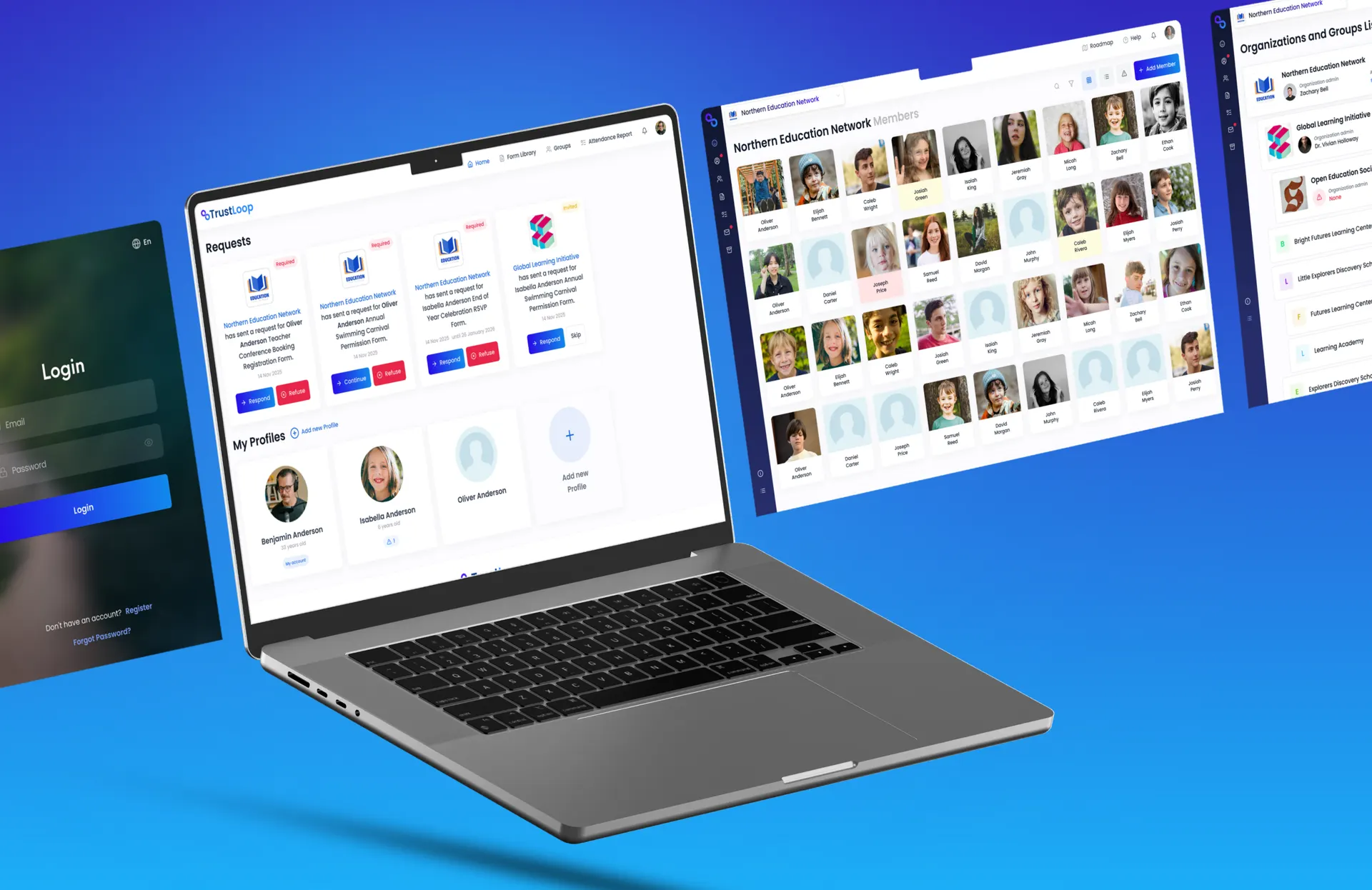
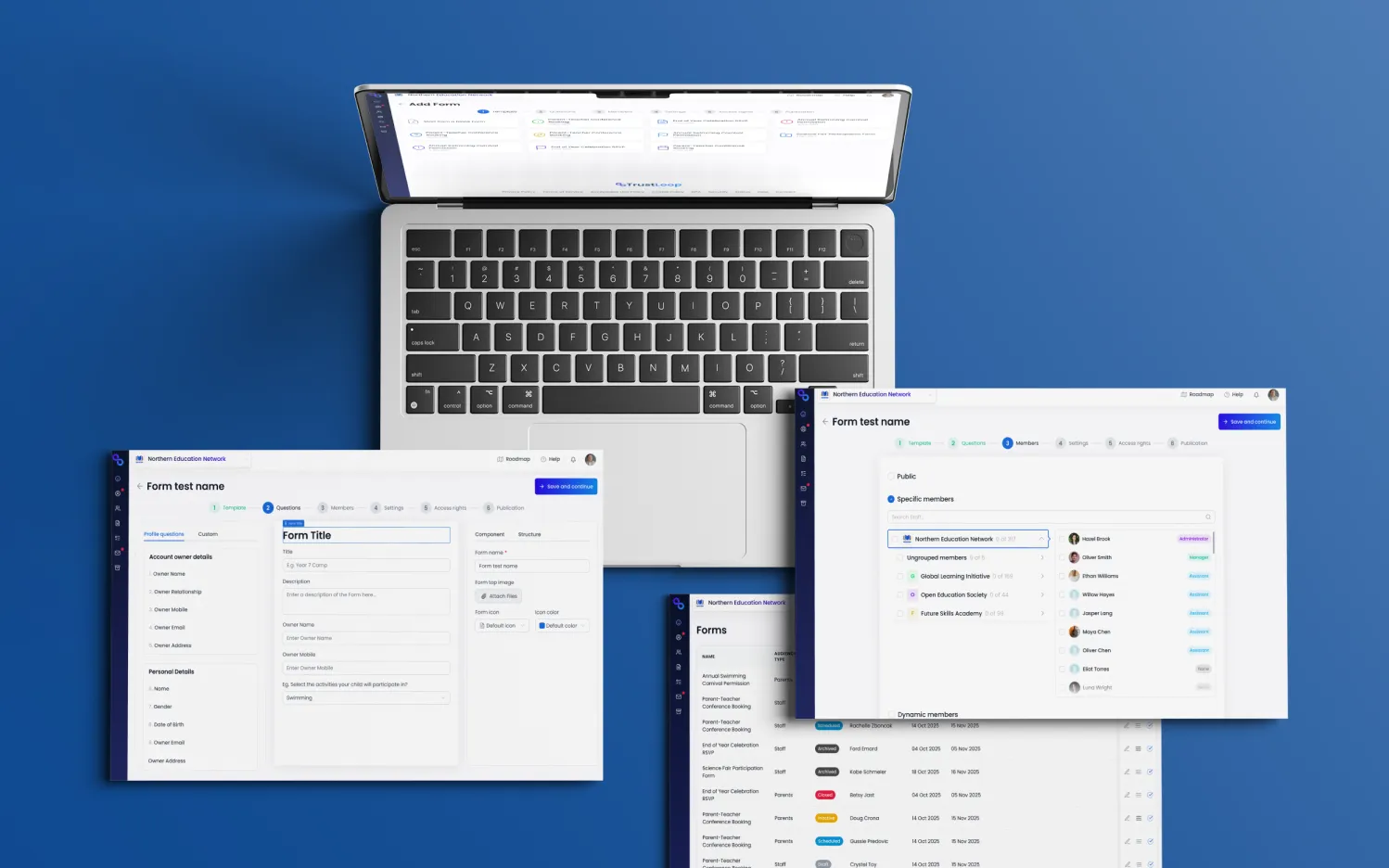
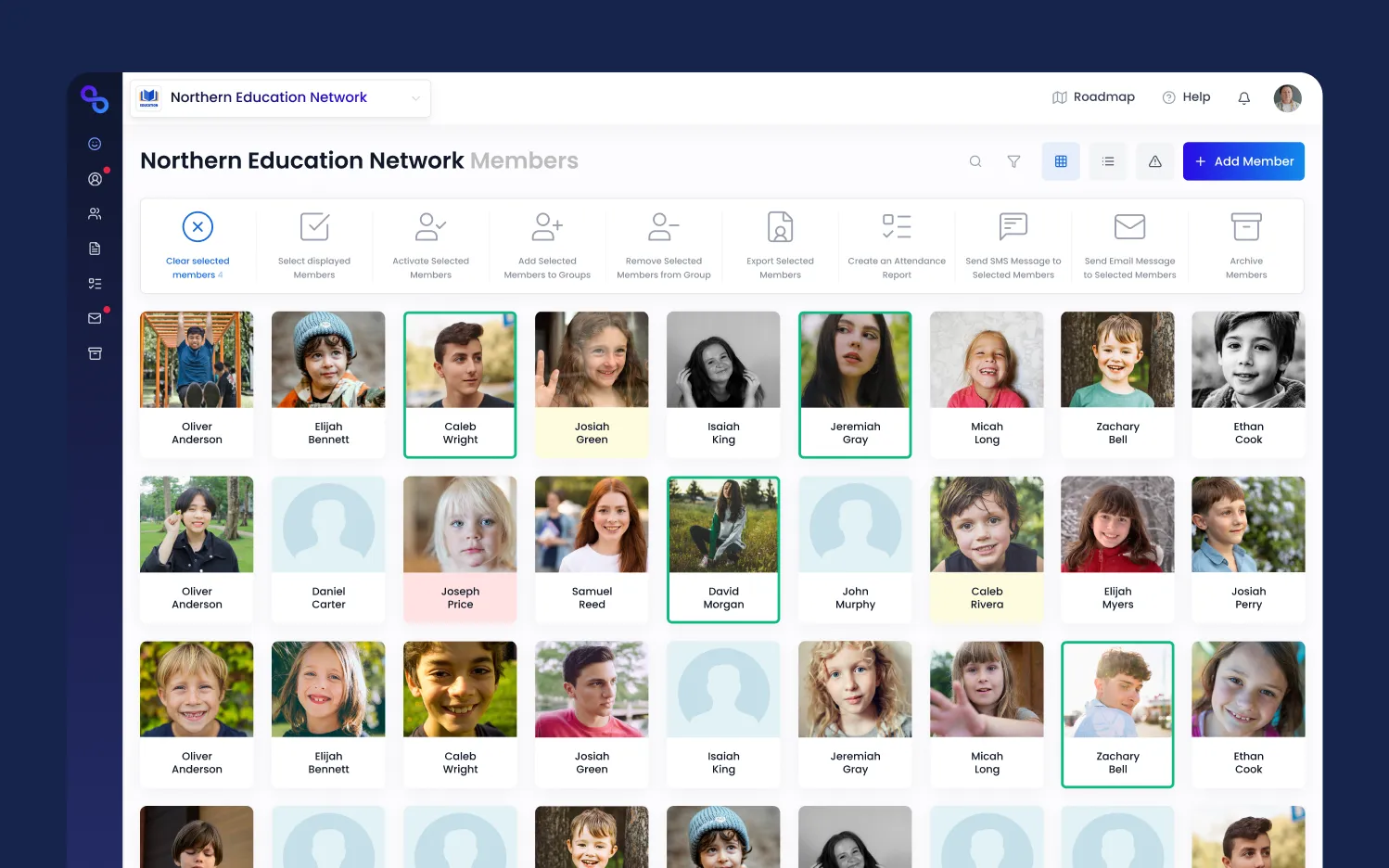
A web platform for records, custom forms, payments and attendance reporting, with the forms built so the organisations could shape their own rather than queue for us to add a field.
Seven of us, more than five thousand hours, four months. We were honest with the client about what that pace buys and what it defers, and we kept a written list of the latter rather than a private one.
Which is the part of this project worth reading. Compressing seven months into four leaves debt, and on a system holding this kind of data the debt that matters is in hardening rather than features. We named where it was, the client understood what they were accepting and why, and we closed it together after launch instead of hoping nobody would look. The platform that is running now is at the standard it needed to be at; it simply reached it in two steps rather than one, with both steps agreed.
That was possible because of who was on the other side. The TrustLoop team kept their word, stayed consistent, and negotiated rather than escalated, which on a schedule like this is not a pleasantry but the mechanism that makes an honest conversation about risk possible at all.
04What changed
The replacement went live on the date it had to, and more than ten thousand children’s records moved through it in the first quarter.
The platform has kept growing since, and the deferred hardening was finished with the client rather than left as somebody’s future problem.
05What this means for you
A deadline shorter than the work does not remove any of the work. It decides which part of it happens after launch, and the only real choice is whether that decision is made in the open. Written down and agreed, a compressed schedule is a plan with a second phase. Left unsaid, it is the thing that surfaces in an audit.
So if you are being quoted a timeline that sounds too good, ask what is being deferred to make it fit. Everyone building to a hard date defers something. The question is whether they will tell you what.
FAQ
Questions about this project
We need something like this for our organisation. Can you introduce us?
Gladly. TrustLoop handles records, custom forms and the reporting around them, and the team running it is excellent. If that is what you need, the shortest path is to talk to them rather than to build it again, and we will make the introduction.
Would you take a four-month deadline again?
With the same conditions, yes. Those are: the client knows the estimate was seven, the two of us agree in writing what is being deferred, and there is a second phase booked before the first one ships. Without those it is not a short project, it is a project with a problem in it that nobody has written down.
How do you handle data that carries obligations?
By deciding early what the system is required to do rather than what would be convenient, and by keeping the list of what is not finished where the client can see it. Most of the damage in projects like this comes from a gap somebody knew about and did not say.
Can organisations build their own forms?
Yes, that was a requirement rather than a feature. A platform where adding a field means raising a ticket with the developer stops fitting the organisation within a year.
Have a project like this?
Tell us where you are today. The first call is a conversation, not a pitch, and the written proposal costs you nothing.